The diverse and all-beneficial series of forty major festivals and hundreds of other minor recurring festivals (parvas), festivals, and celebrations will not be found in any other culture or civilization on earth, only in Indian culture. This system is not a creation of the human mind or intellect, but a divine system revealed through the inspiration of God via the rishis and munis (sages and seers), for the welfare of all mankind.
The purpose behind Indian cultural festivals and celebrations is that all living beings remain healthy, the hidden joy, and inner bliss be kindled, and the family as well as social harmony and order be maintained and strengthened; that love, harmony, and cordiality pervades society; that life become naturally blissful, and head from rudeness to refinement, from distortion to culture, and from disintegration to oneness; and to progress from one’s current state of being towards spiritual evolution and live according to the divine law of God. That a life strayed from divine law should turn towards God’s auspicious and benevolent law—is the very aim of Indian culture.
The traditions, customs, and Vedic doctrines of Indian culture, passed down generation after generation as a cultural heritage, have been flowing like the pure and natural Ganges of knowledge, making human life blissful and joyful. Don’t consider this Vedic culture to be ordinary. If this creation, this earth, this universe—all of it—rests upon any foundation and functions, then it is upon the Vedic doctrines of our Creator, the Beloved God (the Supreme Self). The expanded form of this Vedic doctrine is our Vedic culture.
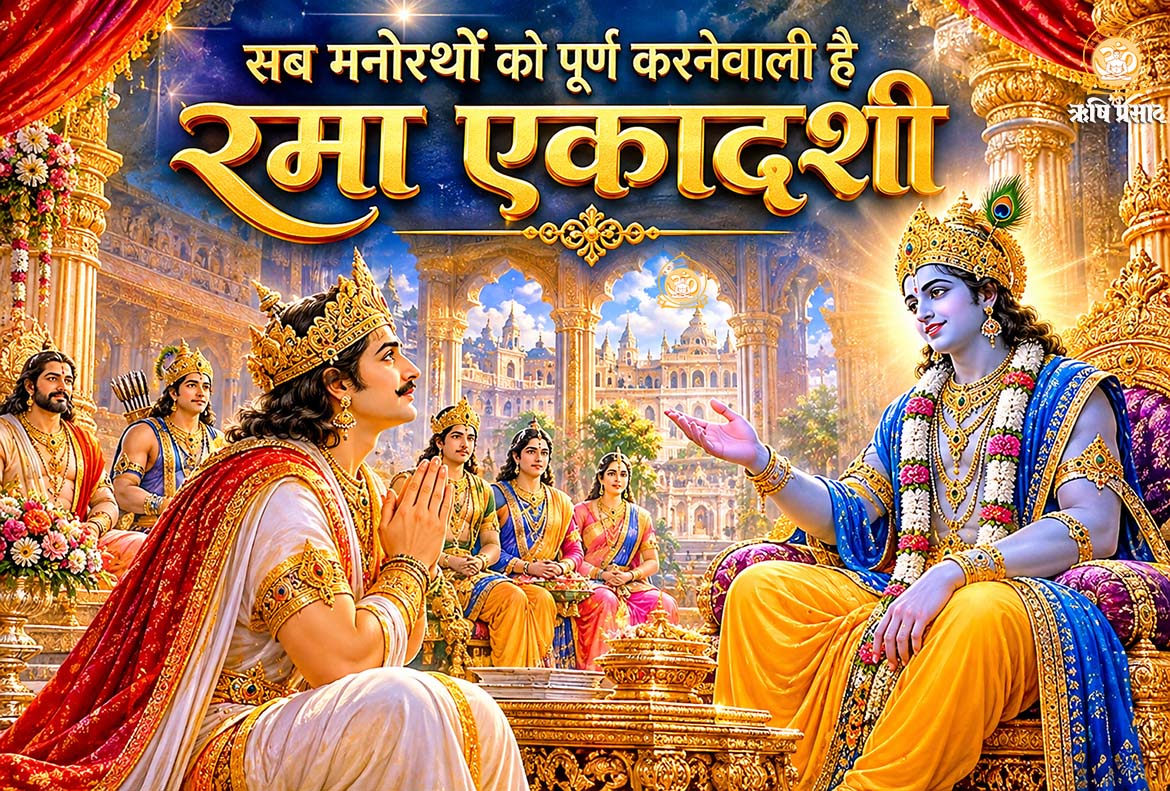
The system of Sanatan Dharma and culture is beyond the differences of religion, caste, creed, sect, or community—it is for the welfare of all humanity and all living beings. For this reason, Indian cultural festivals were celebrated in many parts of the world in ancient times, evidence of which is found even to this day. Today, festivals like Holi, Diwali, and Guru Purnima are celebrated in various countries in their own way, and in places where these festivals had almost become extinct, they are being revived.
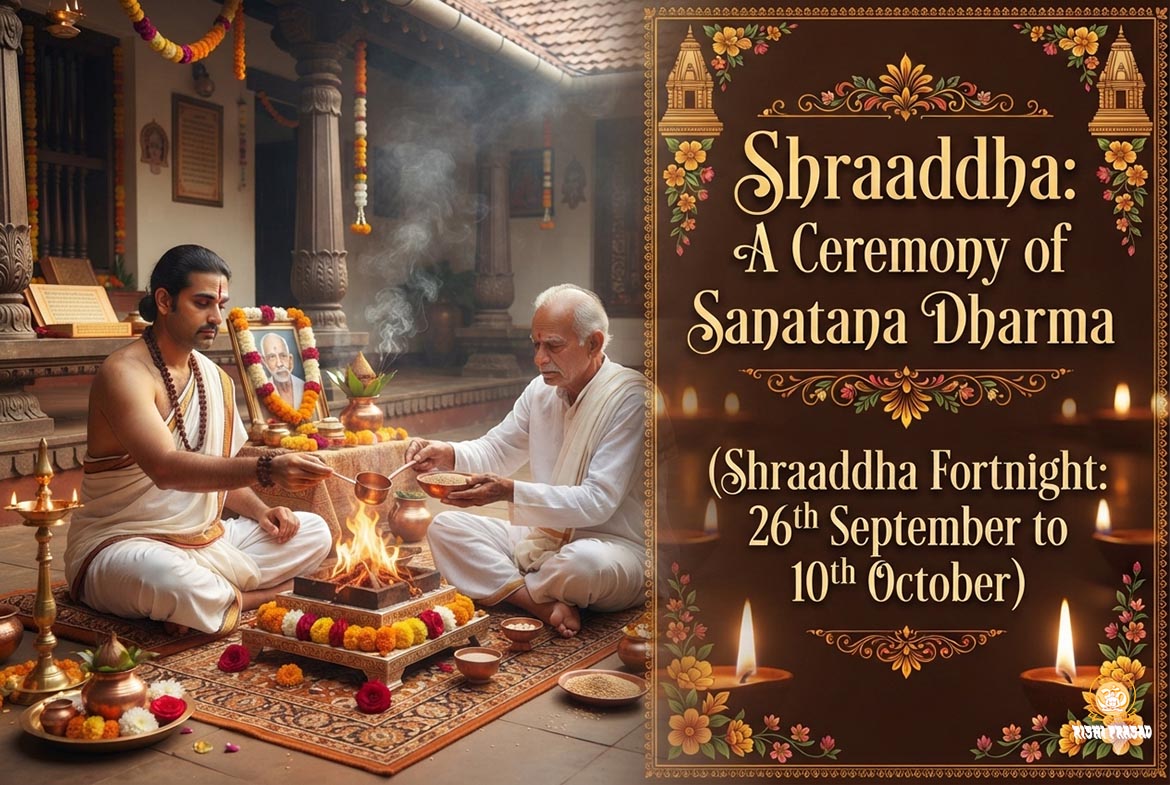
On festive days, depending upon special planetary combinations, constellations, and meritorious days, a discipline of fasting, spiritual recitation, and japa of mantras is prescribed to create a pure environment, increase sattva (the quality of purity and goodness), bring joy to the heart, and help one taste the nectar of Self-knowledge, and attain repose thereby in the Self. That one may avoid trouble and misfortune, and gain maximum merit, bliss, and sattva (purity) by doing certain rituals – is the auspicious, all-beneficial spirit behind these festivals and celebrations.
The purpose of human birth is to forever eradicate all sorrow, and attain eternal supreme bliss, contentment, and peace. Spreading joy and cheer in the worldly, practical life, is undoubtedly one of the aims of festivals, but besides this, these festivals also inspire one to turn inwards, find repose in the Self, seek eternal Bliss of the Self, and to ponder over the purpose of human life and sincerely strive for the same.
The ritual of fasting has also been included in these festivals, so that instead of constantly indulging in eating, drinking, and other sensual pleasures, one may remain without food for some time, restrain the senses, and thus, direct the mind inwards towards self-inquiry. Along with outer joy, the sea of inner bliss may also surge. This is the well-balanced system of festivals and celebrations in Indian culture.
Western festivals don’t contain the deep and subtle science that Indian festivals do. In fact, scientific research has shown many harmful effects of Western festivals. Many Western surveys have revealed that crimes, accidents, and suicides tend to increase during the days of Western festivals and celebrations.
Our culture also prescribes making noble, auspicious resolutions during festivals, which help one cultivate divine virtues like – self-restraint, morality and good conduct, selflessness, joy, devotion to God, and faith – throughout the year. Western festivals, on the other hand, cause evil activities, diseases, etc., to peak, because they lack the spirit of overall upliftment through self-restraint and moral conduct. Their purpose is limited to seeking transitory sensory pleasures, whether by fair means or foul. That is why Westerners overindulge in alcohol, meat eating, drugs, worldly indulgences and faults, and are thus becoming victims of disease, restlessness, and stress.
Indian festivals celebrated in the Vedic tradition bring countless benefits. Instead of drawing on their healthful, all-beneficial, welfare-oriented, spiritual, and cultural aspects, a malicious attempt was being made to distort them, making people indifferent and alienated from Indian culture, and allured by Western festivals. In such a time, Pujya Sant Shri Asharamji Bapu presented to society various aspects of our festivals, their Vedic rituals, and their subtle secrets, which increased people’s interest in them.
Pujya Bapuji revived the fading Indian cultural heritage by way of explaining its glory, showing a simple, easy way to benefit from it according to the needs of the present age. He presented the Vedic and pure form of festivals before society in such a simple and delightful way that even in today’s hectic life, people felt confident to adopt them; and as a result, countless people have embraced them with ease.
Our festivals don’t have just one objective; instead, they are multipurpose and beautifully designed to ensure material as well as spiritual wellbeing, thus making one happy and contend in both this world and the next. This work of preserving such systems has been done by Self-realized great men – the knowers of Brahman. Not only that, but these saints doing good to people, in keeping with the needs of the times, have also initiated a few new festivals through divine inspiration.
In the present age, this work has been done by Pujya Bapuji. To stop the monstrous influence of ‘Valentine’s Day’—which was making the youth victims of obscenity, immorality, promiscuity, various sexually transmitted diseases, depression, suicide, etc., and thereby making their futures dark, giving rise to burning problems like teenage pregnancy and family disintegration—He introduced a beautiful alternative to Parents’ Worship Day, which saved society from falling into the abyss of immorality, and thus countless lives blossomed with innocent love. To prevent the increase in suicides and accidents caused by alcohol and drug consumption during the period from December 25th to the Christian New Year, Bapuji offered excellent gifts of ‘Tulsi Worship Day’ and ‘Vishwaguru Bharat Week’ (25th to 31st December) to society.
Let us all reap the benefits of the all-beneficial, welfare-oriented eternal system of festivals of our culture, and succeed in attaining the supreme goal of life while laughing and playing.
Finally, we offer infinite salutations to the holy feet of the great men who are pillars of Indian culture, protectors of our culture, expounders of the secrets of Vedas and revivers of festivals and celebrations. We also bow again and again to this sacred Vedic proclamation:
सर्वे भवन्तु सुखिनः सर्वे सन्तु निरामयाः ।
सर्वे भद्राणि पश्यन्तु मा कश्चिद्दुःखभाग्भवेत् ।।
“May all be happy, may all be healthy, and may all see only auspicious sights. May no one have a share in sorrow.”
Om Aananda…Om Shanti…Om Vishranti…